Maximizing Output: Semi-Automatic vs. Fully Automatic Corrugated Box Machines
Time:
Nov 16,2024
Maximizing Output: Semi-Automatic vs. Fully Automatic Corrugated Box Machines
Table of Contents
- 1. Introduction to Corrugated Box Machines
- 2. The Importance of Packaging in Manufacturing
- 3. Types of Corrugated Box Machines
- 4. Comparative Analysis: Semi-Automatic vs. Fully Automatic
- 5. Real-World Applications and Case Studies
- 6. Frequently Asked Questions (FAQs)
- 7. Conclusion
1. Introduction to Corrugated Box Machines
In the packaging industry, **efficient and reliable equipment** is crucial for maintaining productivity and ensuring that products reach customers in perfect condition. One of the significant advancements in packaging technology is the development of corrugated box machines. These machines are instrumental in producing boxes that protect goods during transport and storage. As the demand for packaging solutions grows, many manufacturers face the dilemma of choosing between semi-automatic and fully automatic corrugated box machines. Understanding the differences between these two types can significantly impact operational output and efficiency.
2. The Importance of Packaging in Manufacturing
Packaging is more than just a protective layer for products; it plays a vital role in branding, consumer perception, and environmental sustainability. The right packaging can improve the overall customer experience, attract attention on store shelves, and even influence purchasing decisions. For manufacturers, investing in the appropriate packaging machinery is essential for meeting market demands while maintaining cost-efficiency.
3. Types of Corrugated Box Machines
When it comes to corrugated box machines, there are two primary categories: **semi-automatic** and **fully automatic** machines. Each has its unique features, benefits, and drawbacks.
3.1 Semi-Automatic Corrugated Box Machines
Semi-automatic corrugated box machines are designed to offer a balance between manual effort and automation. Operators need to perform certain tasks, such as feeding the material or initiating the cutting process. These machines are often favored by small to medium-sized businesses due to their **lower upfront costs** and **flexibility**. They excel in environments where production volumes fluctuate and customization is essential.
3.2 Fully Automatic Corrugated Box Machines
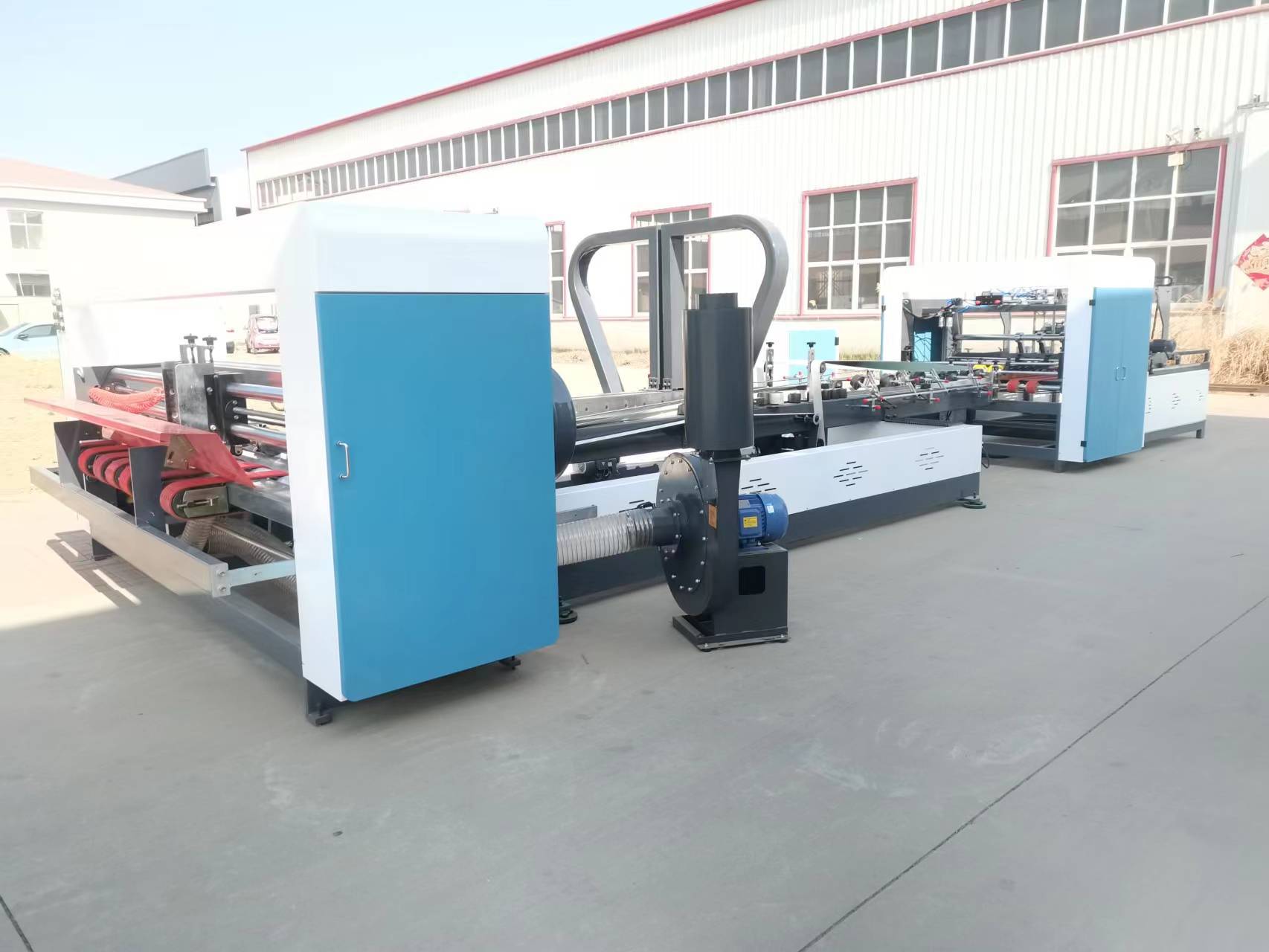
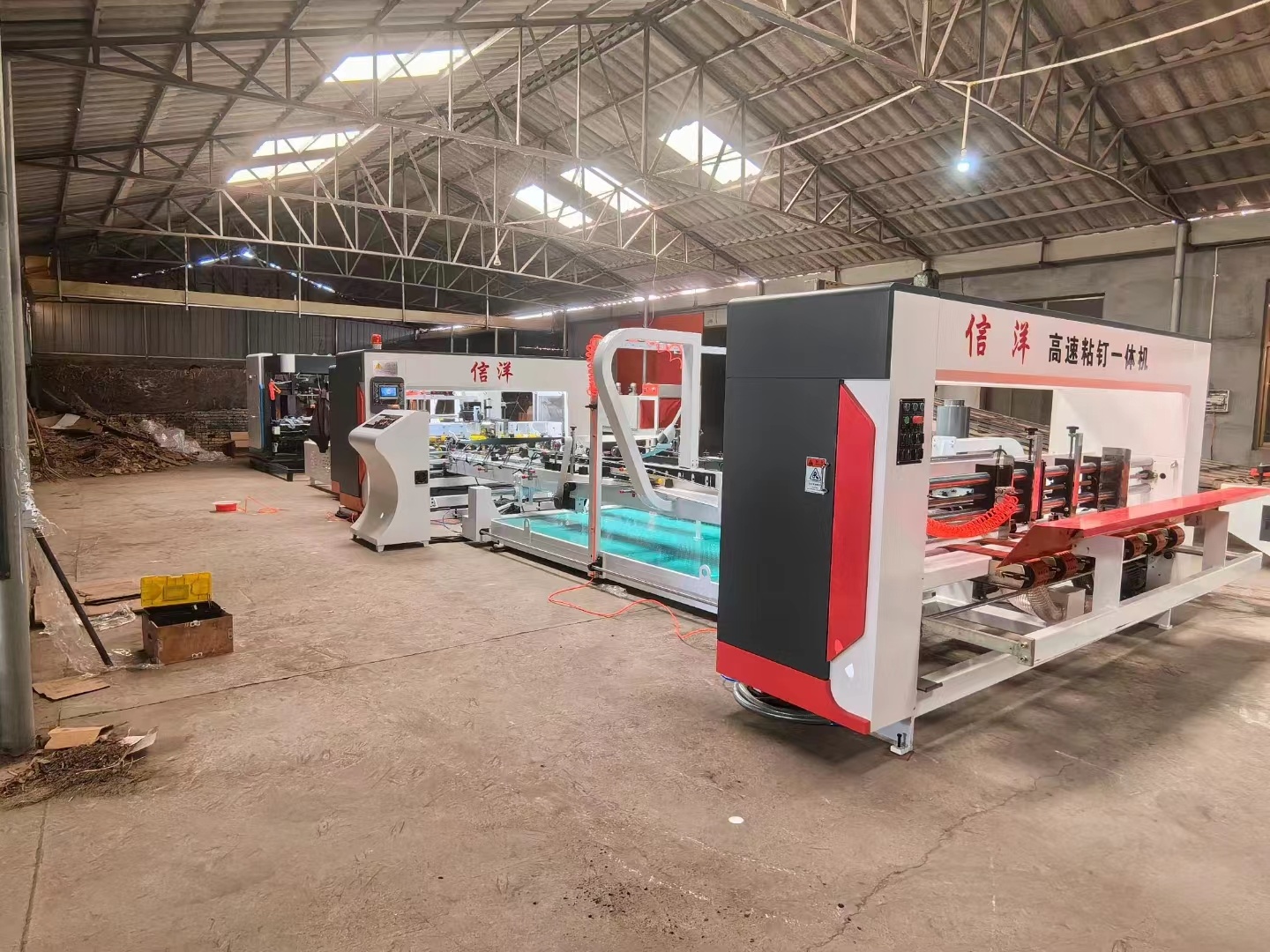
In contrast, fully automatic corrugated box machines are designed to handle the entire packaging process with minimal human intervention. These machines can automatically feed, fold, glue, and cut corrugated sheets, making them ideal for high-volume production lines. While the initial investment is higher, manufacturers benefit from reduced labor costs and increased output rates. Additionally, fully automatic machines often come equipped with advanced technology that enhances precision and reduces waste.
4. Comparative Analysis: Semi-Automatic vs. Fully Automatic
To make an informed decision, manufacturers should consider several critical factors when comparing semi-automatic and fully automatic corrugated box machines.
4.1 Cost Considerations
The **initial investment** in semi-automatic machines is generally lower than that of fully automatic systems. Small businesses with limited budgets may find semi-automatic machines appealing as they require less capital expenditure. However, fully automatic machines can lead to significant savings in labor costs and increased efficiency over time, potentially offsetting the initial investment.
4.2 Efficiency and Speed
When it comes to speed and efficiency, fully automatic machines have the edge. These systems are engineered for high-speed production, which is critical for large-scale manufacturers needing to meet tight deadlines. In contrast, while semi-automatic machines can be productive, they require more manual input, which can slow down the process, especially during peak demand periods.
4.3 Versatility and Customization
Semi-automatic corrugated box machines offer greater **flexibility** in terms of customization. Since operators can easily change settings and configurations, these machines are ideal for businesses that produce a variety of box sizes and styles. Fully automatic machines, while efficient, may require more time and technical support to adjust for different packaging needs.
4.4 Maintenance and Support
Both types of machines require maintenance, but the approach may differ. Semi-automatic machines generally have simpler mechanics and may be easier to troubleshoot for small business owners. Conversely, fully automatic machines, with their complex technology, may require specialized training for operators and maintenance staff, which could lead to additional costs.
5. Real-World Applications and Case Studies
Examining real-world applications can provide valuable insights into the practical benefits and limitations of each machine type.
- **Case Study 1: Small Bakery Using Semi-Automatic Machines**
A local bakery that produces custom cakes found that a semi-automatic corrugated box machine allowed them to create boxes in varying sizes for different cake designs. The operator could adjust the settings quickly, reducing downtime and increasing flexibility to meet customer demands.
- **Case Study 2: Large Electronics Manufacturer Utilizing Fully Automatic Machines**
A major electronics manufacturer implemented fully automatic corrugated box machines to streamline their packaging process. This transition resulted in a 30% increase in output and significantly reduced labor costs, allowing the company to allocate resources to other critical areas of production.
6. Frequently Asked Questions (FAQs)
**Q1: Which type of machine is better for small businesses?**
A1: Semi-automatic machines are often more suitable for small businesses due to their lower initial costs and flexibility for producing various box sizes.
**Q2: What are the maintenance requirements for fully automatic machines?**
A2: Fully automatic machines generally require regular maintenance and may need trained technicians to handle complex repairs.
**Q3: Can semi-automatic machines be upgraded to fully automatic?**
A3: Some semi-automatic machines can be upgraded with additional components to enhance their automation capabilities, but this depends on the specific model and manufacturer.
**Q4: How does the speed of fully automatic machines compare to semi-automatic machines?**
A4: Fully automatic machines typically operate at a significantly higher speed, making them more suitable for high-volume production.
**Q5: Are there environmental considerations for packaging machines?**
A5: Yes, both types of machines can be optimized for sustainability. Manufacturers should consider machines that minimize waste and use recyclable materials in their packaging processes.
7. Conclusion
In the debate between semi-automatic and fully automatic corrugated box machines, the right choice hinges on the specific needs of the business. Semi-automatic machines offer flexibility and lower costs for small to medium-scale operations, while fully automatic machines provide unmatched efficiency and speed for high-volume production. Analyzing production requirements, budget constraints, and operational goals will guide manufacturers toward making the best decision that maximizes output and enhances overall efficiency in their packaging processes.
RELATED NEWS