Understanding Semi-Automatic Gluing Machines: Efficiency and Versatility in Packaging
Time:
Oct 24,2024
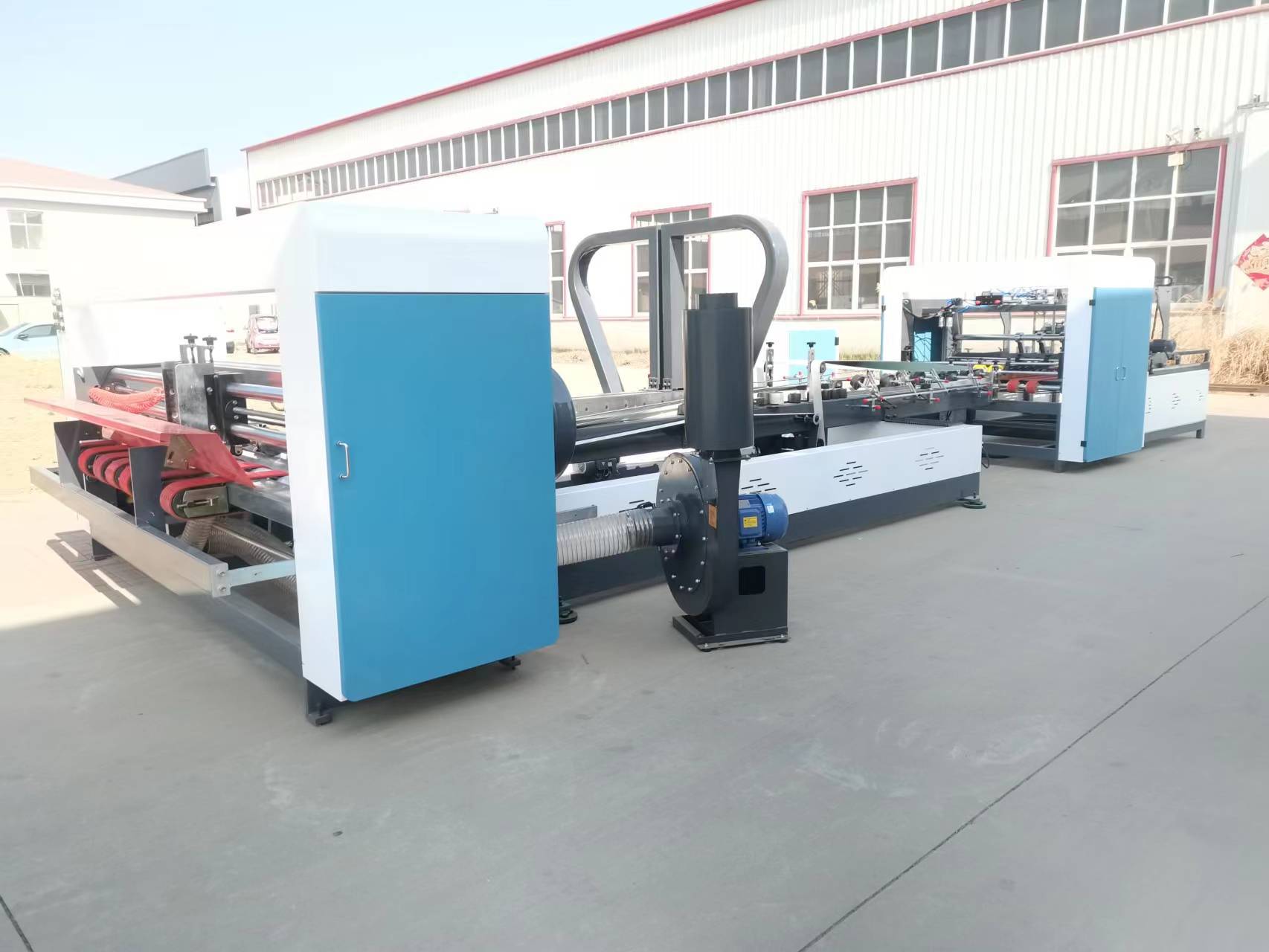
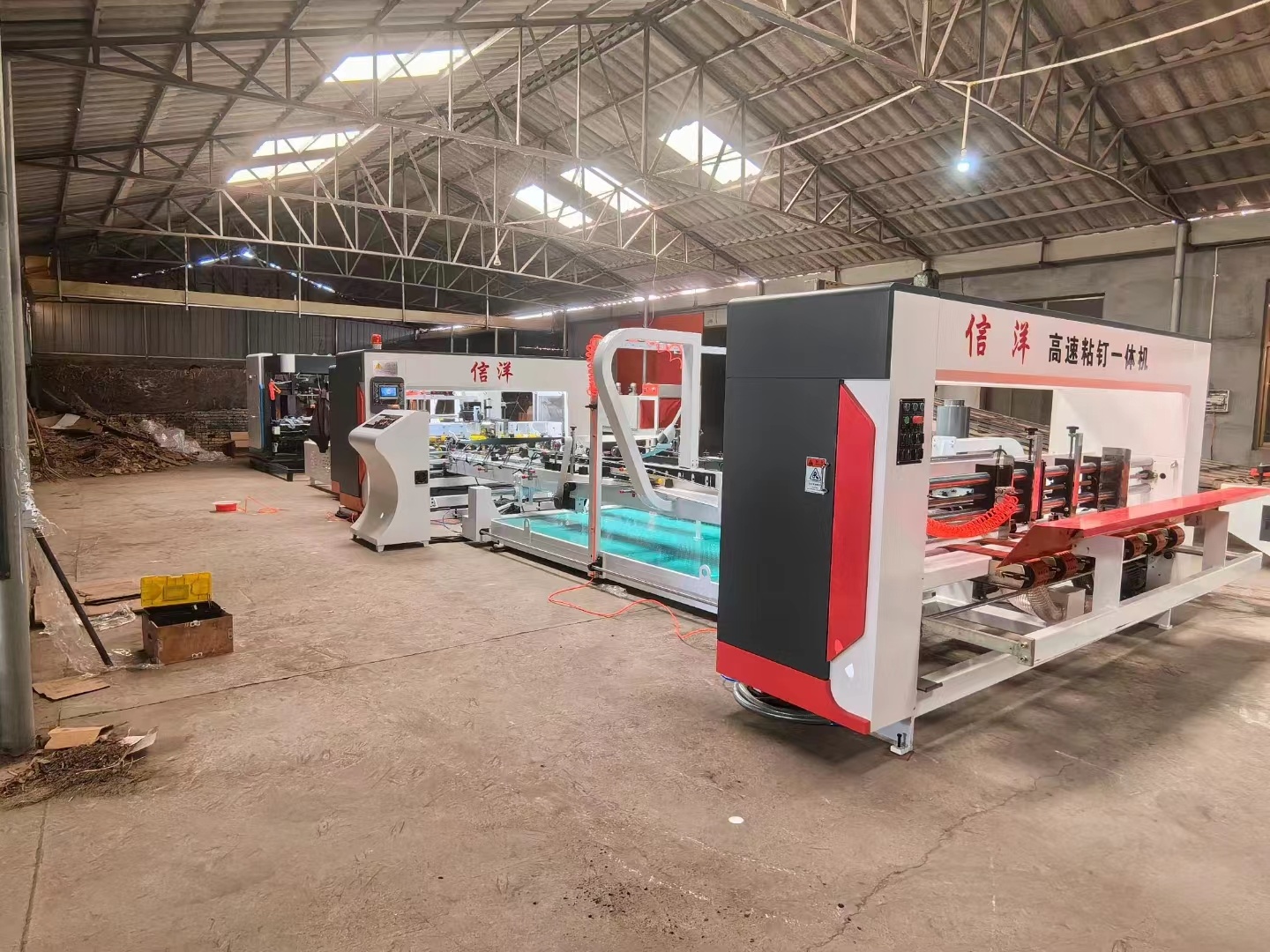
Semi-automatic gluing machines are pivotal in the manufacturing and packaging sectors, especially for businesses looking to enhance their efficiency while maintaining high-quality standards. These machines offer a unique blend of automation and manual control, making them ideal for various applications across industries.
A semi-automatic gluing machine typically operates by allowing operators to manually position components while the machine handles the gluing process. This setup is advantageous for businesses that require precision in their packaging but also need the flexibility to manage small to medium production runs. The semi-automatic nature means that while the operator has to intervene at certain stages, the machine takes care of the repetitive and time-consuming task of applying adhesive.
One of the primary benefits of using a semi-automatic gluing machine is its ability to enhance production speed without sacrificing quality. In a world where time is money, these machines allow companies to streamline their packaging processes. By automating the gluing aspect, manufacturers can reduce labor costs and minimize the risk of human error. This results in more consistent product quality and a higher output rate, which is crucial for meeting market demands.
Furthermore, semi-automatic gluing machines are incredibly versatile. They can be used for various types of adhesives, such as hot melt, cold glue, or even pressure-sensitive adhesives. This adaptability makes them suitable for a wide range of products, from corrugated boxes to labels and other packaging materials. Companies can adjust the machine settings to accommodate different product specifications, making it an excellent investment for businesses with diverse product lines.
Another noteworthy aspect is the compact design of many semi-automatic gluing machines. Unlike fully automatic systems, which can require significant floor space and complex installation, semi-automatic machines can often fit into smaller production areas. This is particularly beneficial for small to medium-sized enterprises that may not have the luxury of a large manufacturing facility.
Maintenance is also a critical consideration for manufacturers. Semi-automatic gluing machines generally involve less complexity compared to their fully automatic counterparts, making them easier to maintain. Regular upkeep can ensure longevity and reliability in production, which is essential for maintaining operational efficiency.
In conclusion, semi-automatic gluing machines play an integral role in the manufacturing and packaging industry by offering a perfect balance of automation and manual control. Their ability to enhance production speed, maintain product quality, and adapt to various adhesive types makes them an invaluable asset for businesses striving for efficiency and versatility. Investing in a semi-automatic gluing machine could be a strategic move for manufacturers looking to optimize their packaging processes while keeping pace with industry demands.
RELATED NEWS