Troubleshooting Common Issues with Semi Automatic Gluing Machines: A Comprehensive Guide
Time:
Oct 25,2024
Troubleshooting Common Issues with Semi Automatic Gluing Machines
Table of Contents
- 1. Introduction to Semi Automatic Gluing Machines
- 2. Understanding Common Issues in Semi Automatic Gluing Machines
- 3. Frequent Malfunctions and Corresponding Solutions
- 3.1 Adhesive Application Problems
- 3.2 Mechanical Jams
- 3.3 Electrical Failures
- 3.4 Inconsistent Speed and Feeding Issues
- 4. Preventive Maintenance for Semi Automatic Gluing Machines
- 5. Best Practices for Operating Semi Automatic Gluing Machines
- 6. When to Call a Professional for Help
- 7. Conclusion
- 8. FAQs
1. Introduction to Semi Automatic Gluing Machines
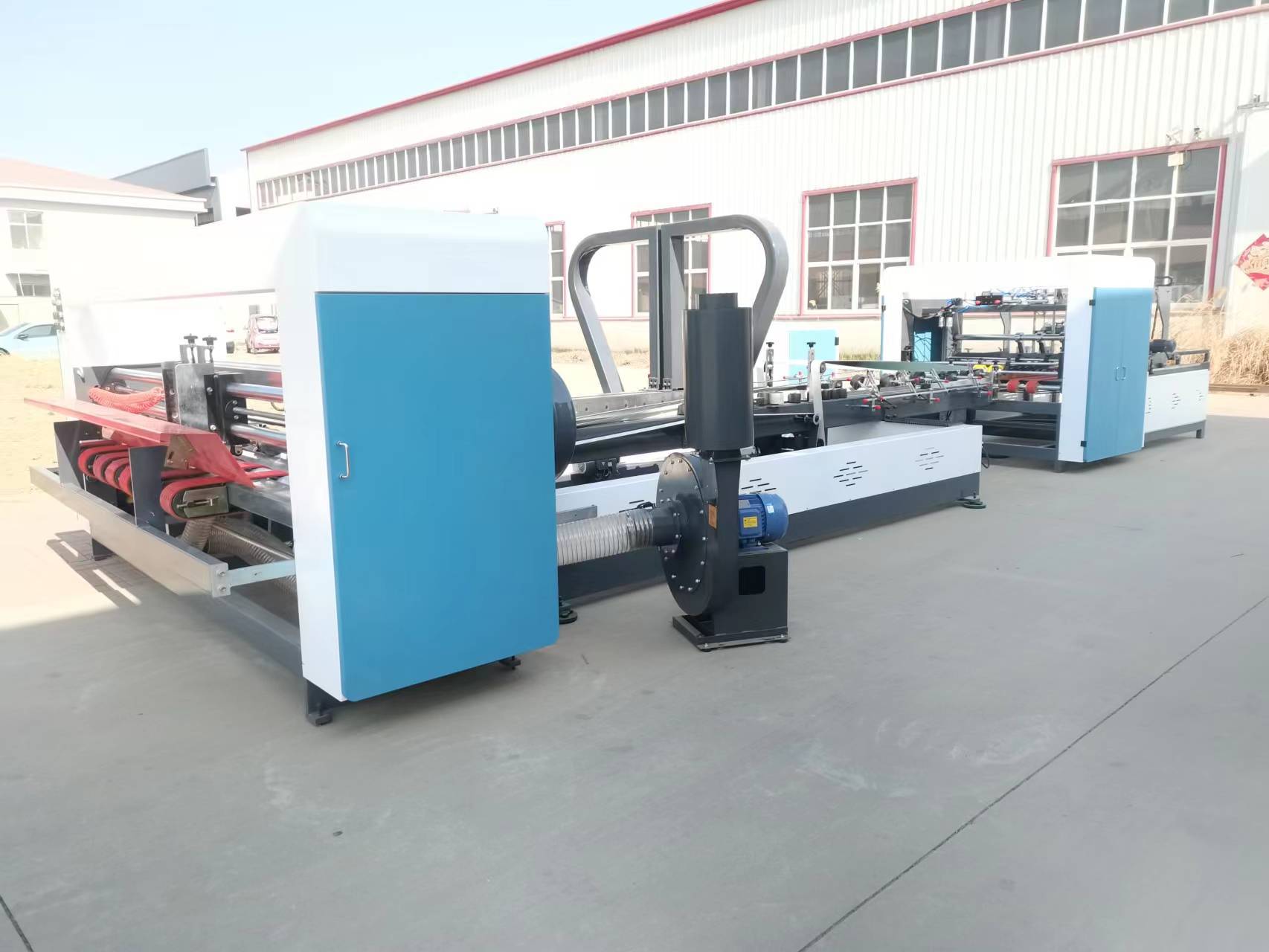
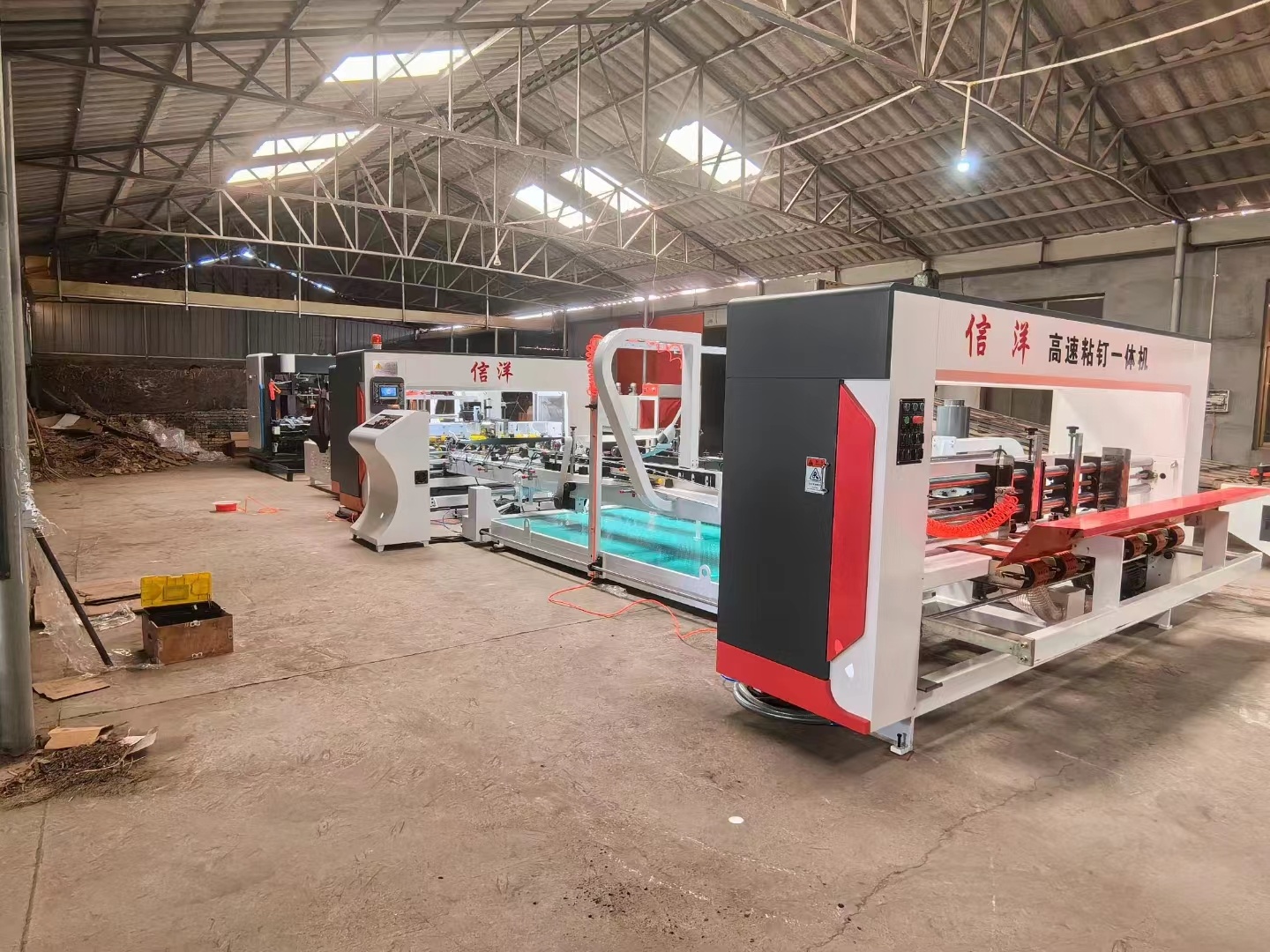
Semi automatic gluing machines have become a backbone in the packaging industry, providing efficiency and precision. They are designed to automate the gluing process while allowing operators to maintain control over certain aspects. However, like any mechanical equipment, they are prone to common issues that can disrupt production. Understanding these issues and how to resolve them is vital for maintaining an efficient workflow.
2. Understanding Common Issues in Semi Automatic Gluing Machines
Before diving into troubleshooting, it’s essential to understand the potential problems that can arise with semi automatic gluing machines. These issues often stem from wear and tear, improper usage, or inadequate maintenance. Operators should be familiar with the machine's components and how they function together.
3. Frequent Malfunctions and Corresponding Solutions
In this section, we will explore the most common malfunctions experienced with semi automatic gluing machines and the effective solutions to address each problem.
3.1 Adhesive Application Problems
**Adhesive application problems** are one of the most prevalent issues faced by users. Problems can include insufficient adhesive being applied or excessive glue oozing from the product.
**Solutions:**
- **Check the adhesive reservoir:** Ensure that it is filled with the appropriate adhesive type. Old or improperly stored glue might affect application quality.
- **Adjust the adhesive nozzle:** Verify that the nozzle is set to the correct width and angle for the specific application.
- **Clean the adhesive system:** Regular cleaning of the adhesive application system will prevent clogs and ensure smooth operation.
3.2 Mechanical Jams
**Mechanical jams** can occur due to misaligned components or foreign materials obstructing the feeding mechanism.
**Solutions:**
- **Inspect the feeding mechanism:** Ensure that all components are aligned correctly and that there are no foreign materials causing a blockage.
- **Lubricate moving parts:** Regular lubrication can help minimize friction and reduce the risk of jams.
- **Conduct routine checks:** Schedule routine inspections to catch potential issues before they lead to jams.
3.3 Electrical Failures
**Electrical failures** can halt operations abruptly, stemming from faulty wiring, blown fuses, or malfunctioning sensors.
**Solutions:**
- **Inspect wiring connections:** Check for any loose or damaged wires that could disrupt electrical flow.
- **Replace blown fuses:** Ensure that all fuses are functional and replace any that have blown.
- **Calibrate sensors:** Regular calibration of sensors can prevent false readings and ensure accurate operation.
3.4 Inconsistent Speed and Feeding Issues
**Inconsistent speed** and feeding issues can lead to uneven application and poor quality control.
**Solutions:**
- **Adjust speed settings:** Check the machine's speed settings to ensure they are appropriate for the material being used.
- **Inspect feeding mechanisms:** Ensure that the feeding mechanisms are functioning smoothly and are not obstructed.
- **Monitor operator input:** Ensure that operators are properly trained to use the machine efficiently without causing inconsistencies.
4. Preventive Maintenance for Semi Automatic Gluing Machines
Preventive maintenance is crucial for ensuring the longevity and efficiency of semi automatic gluing machines. Here are some key practices to incorporate into your maintenance routine:
- **Regular cleaning:** Clean the machine thoroughly after each use to prevent adhesive buildup and mechanical jams.
- **Lubricate moving parts:** Regular lubrication of all moving components can reduce wear and tear.
- **Check alignment:** Consistently monitor and adjust the alignment of components to ensure smooth operation.
- **Schedule professional servicing:** Engage with professional technicians for routine service checks and in-depth inspections.
5. Best Practices for Operating Semi Automatic Gluing Machines
Following best practices during the operation of semi automatic gluing machines can significantly reduce issues and enhance productivity:
- **Follow manufacturer guidelines:** Always adhere to the guidelines provided by the manufacturer concerning operation and maintenance.
- **Train operators thoroughly:** Ensure that all operators are adequately trained on the machine’s features and troubleshooting techniques.
- **Utilize quality materials:** Use high-quality adhesives and materials to minimize application issues and improve overall performance.
- **Monitor working environment:** Maintain a clean and organized workspace to reduce the risk of foreign materials causing disruptions.
6. When to Call a Professional for Help
While many issues can be resolved in-house, there are times when professional assistance is necessary. Consider calling a technician if:
- Problems persist despite following troubleshooting steps.
- You encounter complex electrical or mechanical issues.
- Regular maintenance checks reveal significant wear and tear.
7. Conclusion
Troubleshooting common issues with semi automatic gluing machines is an essential skill for operators in the packaging industry. Understanding the nature of these problems and implementing preventive maintenance practices can significantly enhance production efficiency. By following the guidelines outlined in this article, operators can ensure that their machines run smoothly, ultimately leading to a more productive and profitable workflow.
8. FAQs
1. What are the most common issues with semi automatic gluing machines?
The most common issues include adhesive application problems, mechanical jams, electrical failures, and inconsistent speed.
2. How can I troubleshoot adhesive application problems?
Check the adhesive reservoir, adjust the nozzle, and clean the adhesive system to ensure proper application.
3. What should I do if my machine experiences a mechanical jam?
Inspect the feeding mechanism, lubricate moving parts, and conduct routine checks to prevent jams.
4. When is it necessary to call a professional technician?
Consult a professional if issues persist despite troubleshooting, if you face complex problems, or if significant wear and tear is detected.
5. How often should I perform preventive maintenance on my gluing machine?
Preventive maintenance should be performed regularly, ideally after each use, to ensure optimal performance and longevity of the machine.
RELATED NEWS