Understanding Semi-Automatic Gluing Machines: Enhancing Efficiency in Packaging
Time:
Oct 26,2024
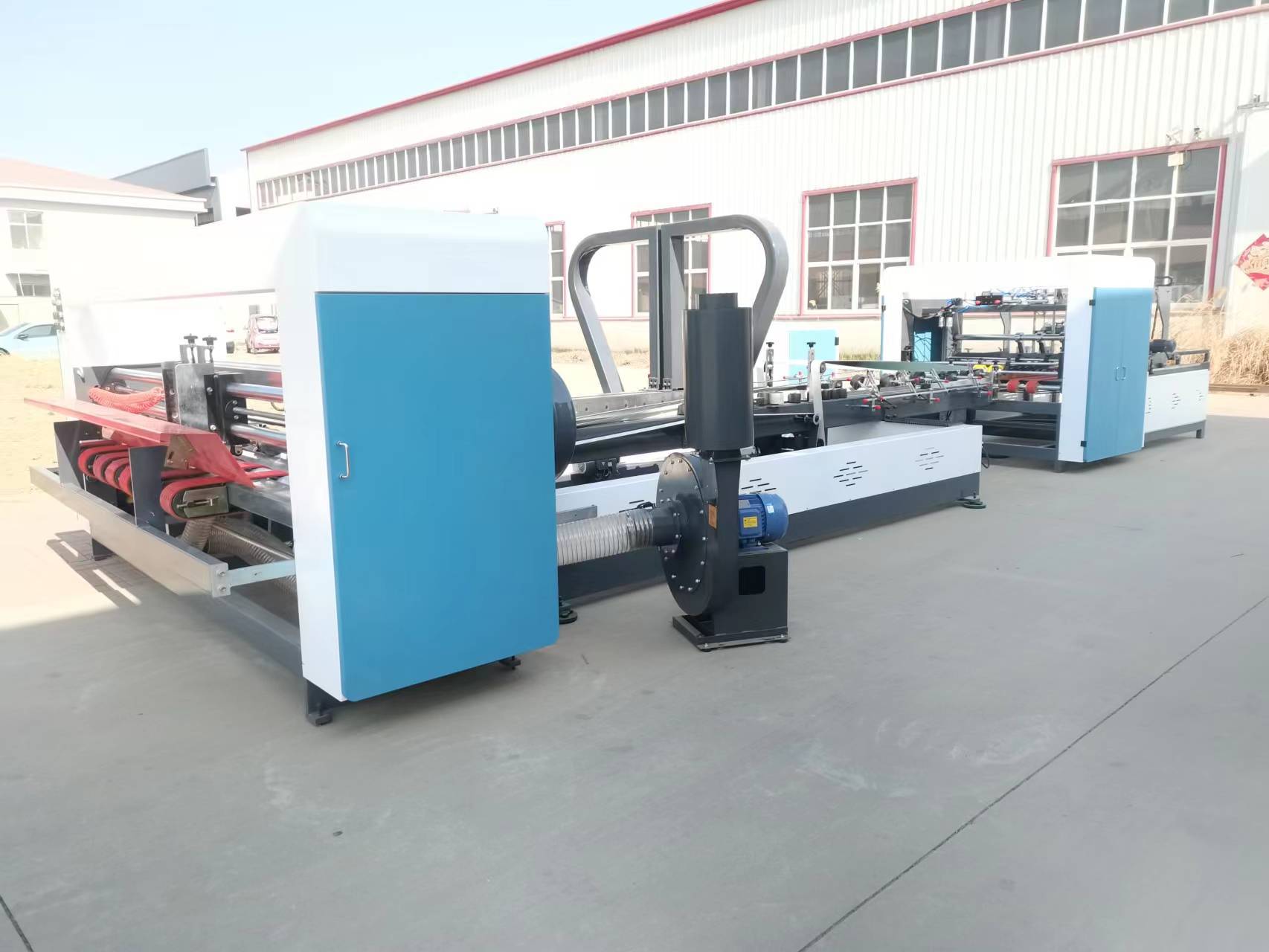
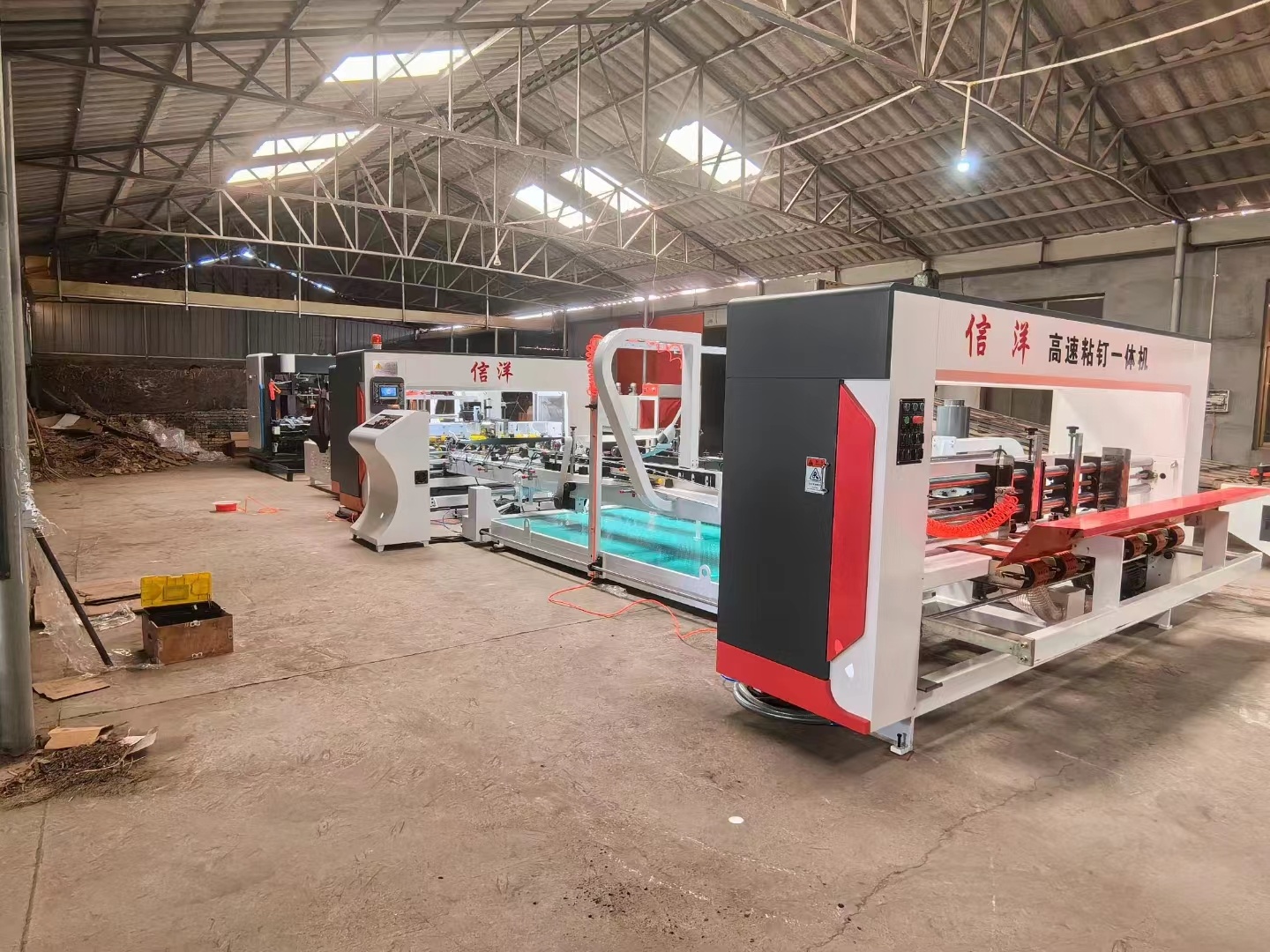
Semi-automatic gluing machines are becoming increasingly vital in the manufacturing and packaging sectors, particularly for businesses looking to optimize their production processes. These machines serve as a bridge between manual labor and fully automated systems, providing flexibility and efficiency for a variety of packaging applications.
The core function of a semi-automatic gluing machine is to apply adhesive to materials such as cardboard, paper, or plastic, facilitating the assembly of packages, boxes, or other products. Unlike fully automatic machines, which require minimal human intervention, semi-automatic machines require operators to load materials and initiate the gluing process. This allows for greater control, making them ideal for small to medium production runs or for companies that frequently change their product designs.
One of the primary benefits of semi-automatic gluing machines is their ability to improve production efficiency while reducing labor costs. By automating the gluing process to some extent, manufacturers can achieve consistent adhesive application, reducing the risk of human error. This consistency not only ensures that products are assembled correctly but also enhances the overall quality and durability of the packaging. As a result, companies can improve their brand reputation by delivering well-packaged products to their customers.
Moreover, these machines can be easily adjusted to accommodate different sizes and types of materials, making them versatile tools in any packaging operation. Operators can modify settings quickly to switch from one product type to another, allowing businesses to respond swiftly to market demands without significant downtime.
Additionally, semi-automatic gluing machines often feature user-friendly interfaces and are designed with safety in mind. Many models incorporate safety mechanisms to protect operators during the gluing process, ensuring a safer working environment.
In terms of applications, semi-automatic gluing machines are widely used in various industries, including food and beverage, electronics, cosmetics, and pharmaceuticals. They can handle different adhesive types, such as hot melt, water-based, and solvent-based adhesives, making them suitable for a range of materials and products.
In summary, semi-automatic gluing machines offer manufacturers a perfect blend of efficiency and flexibility. They streamline the packaging process, improve product quality, and help businesses meet the evolving needs of their customers. As the demand for efficient and reliable packaging solutions continues to grow, investing in a semi-automatic gluing machine is a strategic move for manufacturers looking to enhance their operations and stay competitive in the market.
RELATED NEWS